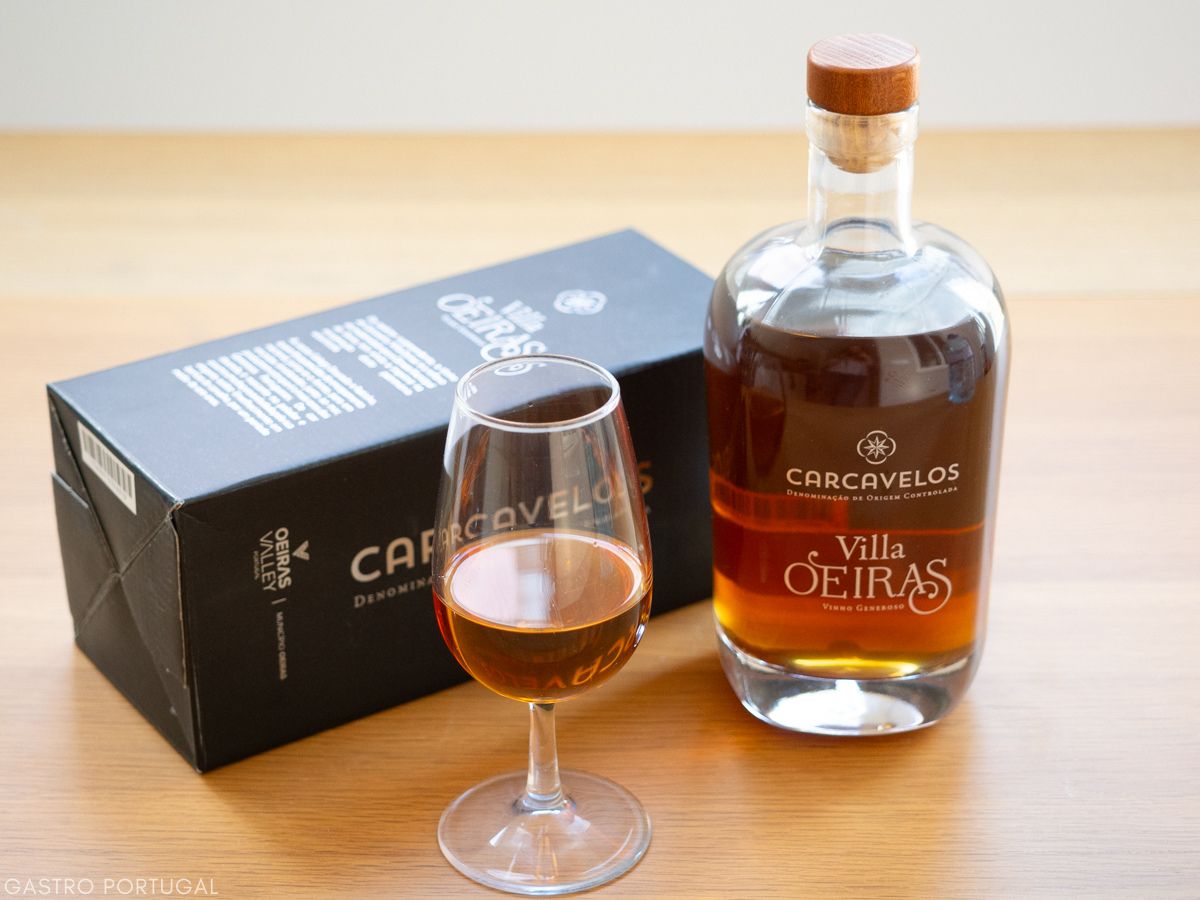
Carcavelos is a Portuguese fortified wine produced in the civil parish of Carcavelos. With a history that dates at least to the 15th century, and the smallest demarcated wine region in the world, Carcavelos wine or simply Carcavelos, has slowly regained its once international prestige. Carcavelos is a complex fortified wine, the result of a terroir that combines abundant sunshine with cooling Atlantic breezes. Keep on reading to learn everything you need to know about Portugal’s rarest fortified wine.
The Ups and Downs of Carcavelos Wine
Although Carcavelos’s history spans over 6 centuries, it isn’t anywhere near as popular as Porto, Madeira, or Setúbal’s Moscatel. In the not-so-distant past, a great deal of its historic vineyards were destroyed, due to real estate development in the area. For that reason, it’s sometimes referred to as Portugal’s rarest fortified wine.
Wine production in the region goes as far back as the 14th century. It was during the 18th century, however, that Carcavelos gained international recognition. Portugal, represented Britain’s largest origin of wine imports, and much of this centered around Lisbon. During this time Carcavelos wine reached its peak, being produced by large estates such as Quinta da Alagoa, and Quinta do Marquês de Pombal. In 1752, it was even the gift of choice from King José I to the court of Beijing.
From Becoming a DOC to Near Extinction
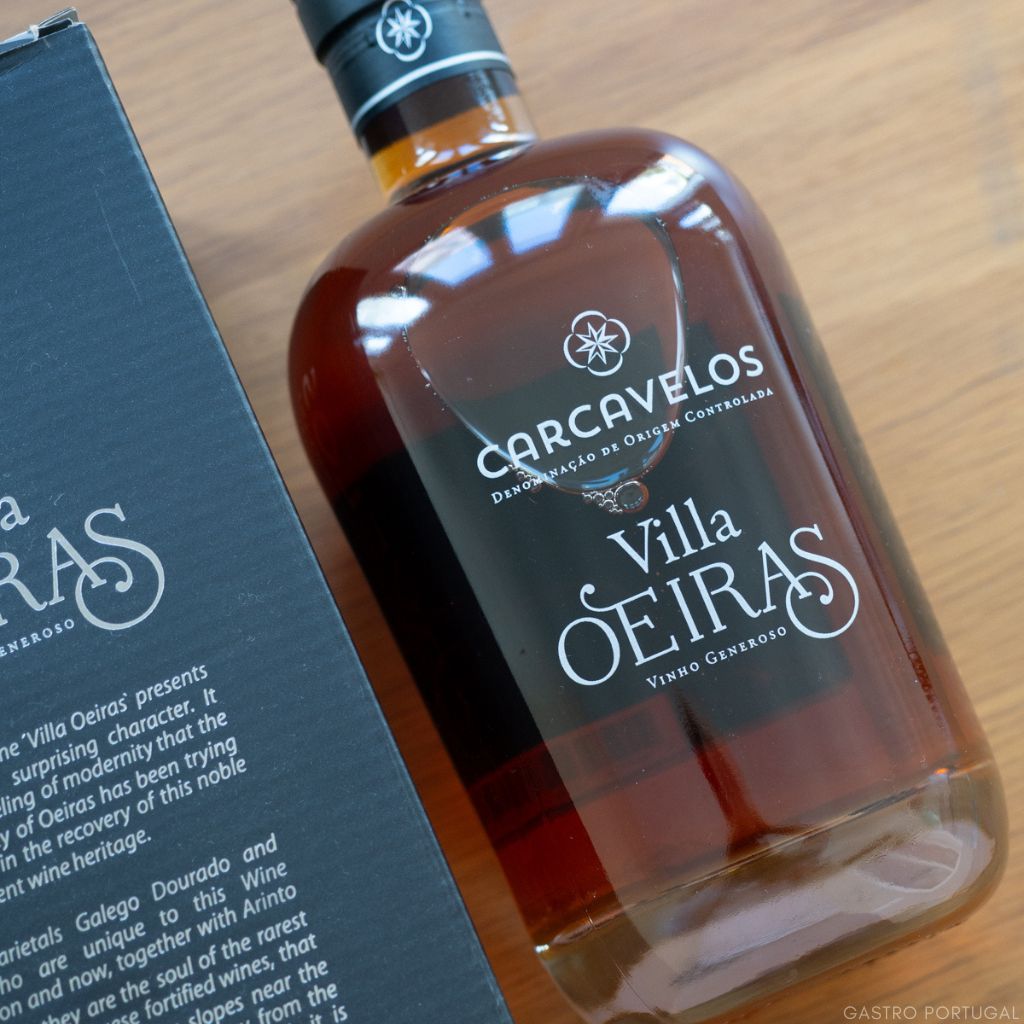
By the 19th century it is reported that the area had over 200 hectares of vineyards across 20 estates. In 1908, the region was officially demarcated for the first time, receiving the status of DOC (Denominação de Origem Controlada), the highest classification of protected designation in the country.
This ensured only wines produced in this specific area, following traditional methods, could bear the name Carcavelos. Unfortunately, not even its protected status could shield it from real estate development, and a great deal of the historic vineyards were lost as Lisbon’s and Estoril’s suburbs expanded. The region was reduced to no more than 20 hectares.
The Recovery of Carcavelos Wine
During the 80s, a partnership between Oeira’s city council and the National Agronomic Station changed the fate of Carcavelos wine. They focused on replanting vineyards and in bringing back traditional winemaking techniques. After several decades of ceaseless work, Carcavelos has slowly reaffirmed its place among Portugal’s great fortified wines, being distributed to at least 15 countries including Brazil, China, England, Spain, and the US.
Carcavelos’ Terroir
Sitting on the Lisbon coastline, the region enjoys a mild climate that is influenced by the Atlantic. The south facing vineyards allow for plenty of sunlight throughout the day, which is great for the maturing of the grapes. At the same time, cooling Atlantic breezes help control the temperatures, preventing extreme heat, and adding a touch of salinity to the wines.
When it comes to the soil, the terroir features limestone and clay-limestone soils which provide good drainage while also retaining enough moisture for vine growth. They also lend some minerality to the grapes, enhancing their wine’s complexity.
The Grape Varieties of Carcavelos
Carcavelos wines are made from a blend of white and red grape varieties, though the region is particularly known for its fortified whites. These are the main varieties grown in the Carcavelos wine region.
Galego Dourado – The region’s most characteristic grape. This white variety yields wines with intense colour and aroma and a high alcohol content making them great for aging.
Ratinho – Another native white grape variety which originates from a cross between the Malvasia Fina and Síria varieties. Ratinho is almost always used in blends with other grapes such as Arinto and Galego. It gives life to wines with full bodies and floral notes.
Arinto – Arinto is a Portuguese white variety that’s cultivated in most wine regions in the country. It has great acidity, with citrus notes.
Castelão – One of Portugal’s most widely planted red grape varieties, Castelão is particularly dominant in the southern coastal regions. It’s an adaptable variety, although featured less frequently in Carcavelos fortified wines.
Understanding Carcavelos’ Style, Aging, and Flavour Profile
Like Porto and Madeira, Carcavelos is a fortified wine, that means it’s fortified with grape brandy (aguardente). The brandy kills the yeast responsible for fermentation resulting in a wine that’s sweeter and stronger with 18-20% ABV (Alcohol by Volume).
Carcavelos DOC requires a minimum period of 2 years of wood barrel aging, usually oak, and 6 months of bottle aging. However, as it’s a wine with a great aging potential, you will find 7,15, and even 30-year-old Carcavelos if you are lucky. They are very rare though as they were very likely produced by one of the historical estates that are no longer in operation.
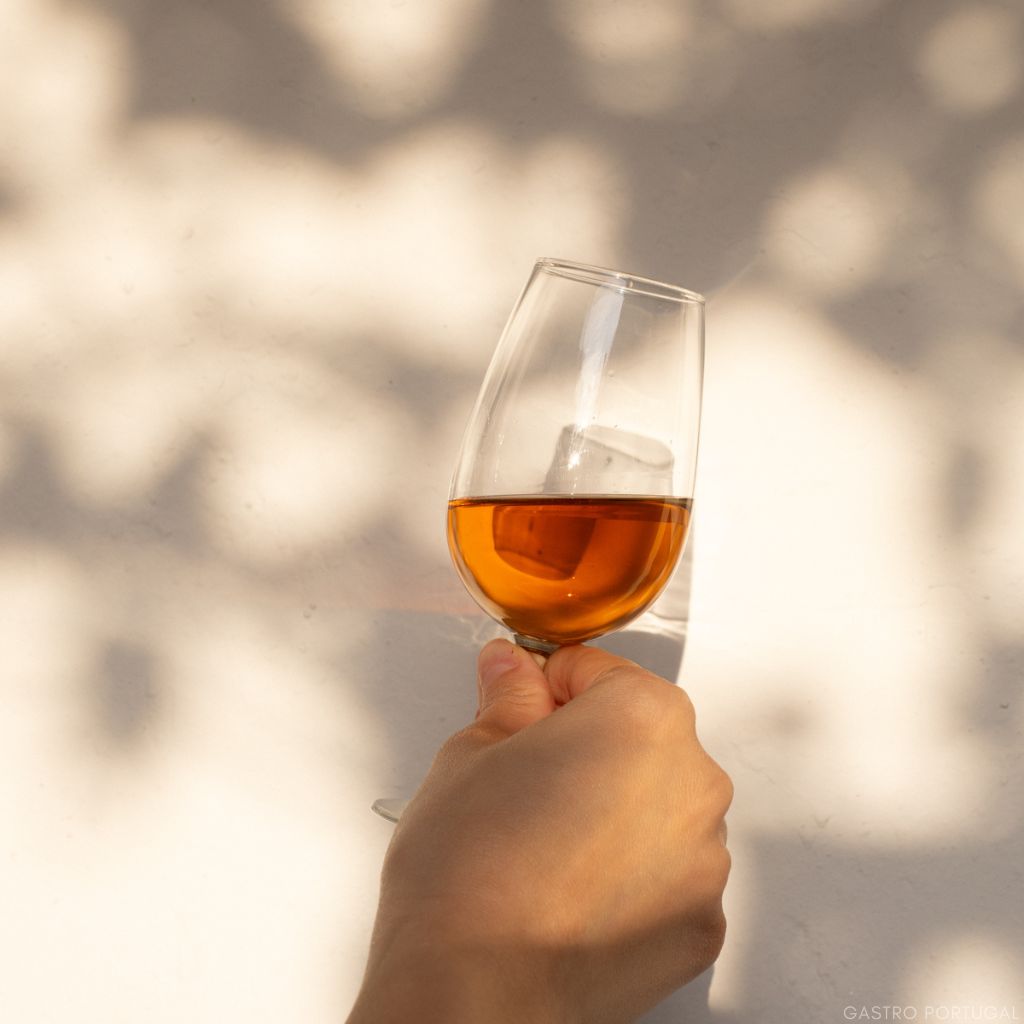
Since the wood barrels are naturally porous, an oxidative aging happens, softening the tannins and developing new flavours. When it comes to flavour and aroma, depending on the wine, the notes can range from dry fruit, honey, almonds, and toffee, to spices and tobacco. With an amber golden colour, Carcavelos is generally described as a well-balanced wine that starts sweet but has a dry finish. It’s an excellent dessert wine but also great to cook with, and works wonderfully in roasts, risottos, stews and reductions. And why not use a touch of it next time you make mulled wine!
How to Enjoy Carcavelos
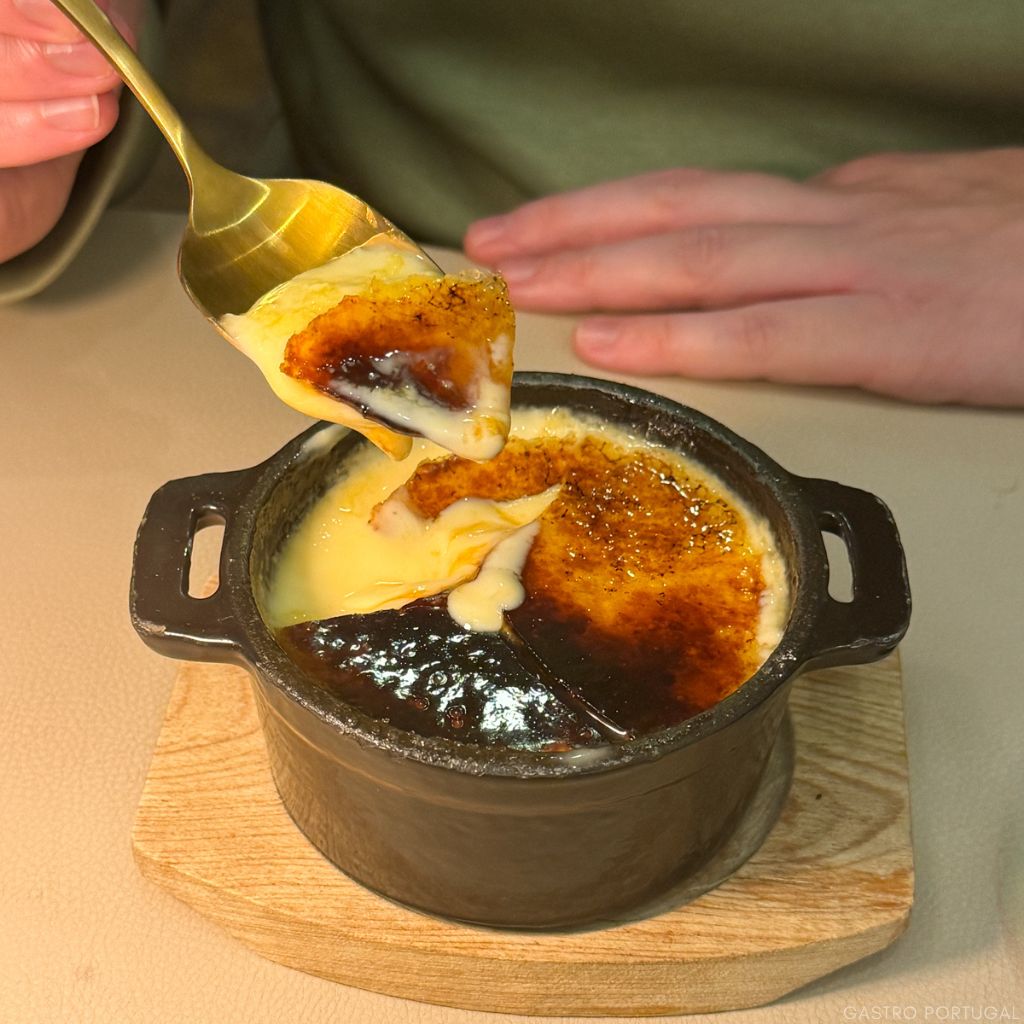
As a fortified wine, Carcavelos is mainly enjoyed before a meal with appetizers or after a meal as a dessert wine. Carcavelos is best enjoyed slightly chilled at temperatures between (12-14°C / 54-57°F). As an aperitif it can be paired with aged or semi-cured cheeses, cured meats, pâtés, and roasted nuts. As a dessert wine, it goes well with almond tarts, crème brulée, and most traditionally, with Portuguese conventual sweets. Now to the question of what glass should you drink Carcavelos from. The best options are small tulip shaped glasses such as Port or Sherry glasses. These glasses are designed to enhance the flavours and aromas of fortified wines.
Where to Buy Carcavelos Wine
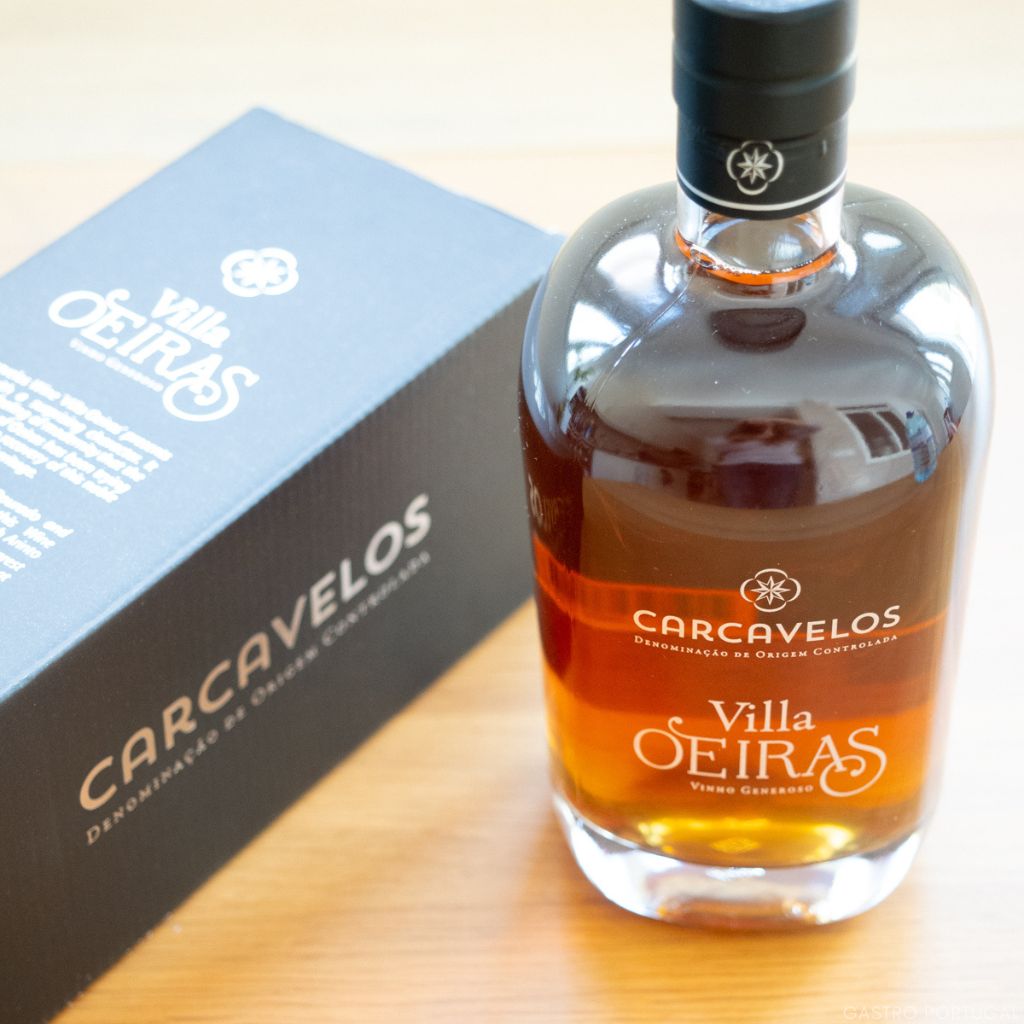
Currently, Villa Oeiras is the only active producer of Carcavelos in the market. You will find their wines in most Portuguese garrafeiras (wine shops), and in some supermarkets too. You can also purchase Carcavelos directly from them either online or at their own wine shop in Oeiras. If you are looking for something a little rarer, you can still find Carcavelos from historic producers such as Quinta da Bela Vista and Quinta dos Pesos from specialist retailers.
Visiting Carcavelos’ Vineyards and Cellars
If wine tasting is your thing, Villa Oeiras also promotes visits to their estate combined with wine tastings. You get to visit the vineyards and both the production and aging cellars, and can choose from tastings of 2, 4, or 6 wines and 1 tasting of olive oil. You also have the option to complement it with local cheeses and sweets. For more information regarding wine tastings, I recommend checking out Villa Oeira’s website!
Should You Try Carcavelos Wine?
If you enjoy Port or Madeira, then Carcavelos wine is the next step into the world of Portuguese fortified wines. Although its production process shares similarities with Port and Madeira, it’s unique terroir and aging process creates a complex wine with balanced sweetness and flavors of honey, nuts and spices, with a hint of salinity. With a limited production, Carcavelos is a rare find for those who appreciate wine.